
If there’s one thing I’ve learned after nearly 30 years working in Western Washington homes — as a contractor, remodeler, and now as a home inspector — it’s this: water is patient, and it always finds a way.
Water damage is consistently the most common and most expensive problem I see in homes across the Greater Seattle area. And here’s the frustrating part — most of it was preventable. Not with expensive technology or major renovations. Just with regular attention to the right things, at the right times.
This guide is designed to help you think about your home the way I do when I walk through it: systematically, starting from the outside and working in.
Start Outside: Roof, Gutters, and Drainage
Water damage usually starts at the perimeter. Before it ever gets inside your walls or under your floors, water has to get past your exterior defenses first.
Your roof is the obvious starting point. In the Pacific Northwest, where we can see 40+ inches of rain annually in many areas, a compromised roof isn’t a “deal with it later” situation. Have your roof visually inspected at least twice a year — spring and fall. Look for missing or curling shingles, damaged flashing around chimneys and vents, and any areas where the surface looks worn or uneven.
Your gutters are doing more work than most homeowners realize. Clogged or damaged gutters overflow against your fascia, siding, and foundation — exactly where you don’t want water sitting. Clean them at minimum every fall before the rains hit, and again in spring after the trees finish dropping debris. Make sure downspouts are directing water away from your foundation — at least 6 feet out is a good target.
Grading and drainage around your foundation matter more than most people think. If the ground slopes toward your house rather than away from it, every rainstorm is pushing water toward your foundation. This is one of the first things I check when I arrive at a property.
The Crawl Space: Western Washington’s Most Common Problem Zone
If you own a home in the Puget Sound area, there’s a good chance you have a crawl space underneath it. And if you’re like most homeowners, you haven’t been down there recently.
Crawl spaces in our climate are constantly fighting moisture. The ground naturally releases water vapor, and without proper management, that moisture works its way up into your floor framing, insulation, and subfloor.
Here’s what to stay on top of:
- Vapor barrier condition — A properly installed, intact vapor barrier is your first line of defense. Tears, gaps, or a missing barrier altogether are problems worth fixing promptly
- Ventilation — Crawl spaces need airflow. Blocked or insufficient vents allow moisture to build up
- Standing water or staining — Any evidence of water intrusion — past or present — needs investigation, not just monitoring
- Wood moisture levels — Elevated moisture in your floor framing is where mold and wood rot begin
I recommend homeowners peek into their crawl space at least once a year, ideally after the wet season. You don’t have to be an expert — you’re just looking for anything that seems wet, damaged, or different from last time.
Plumbing: The Slow Leaks That Do the Most Damage
The dramatic plumbing failures — a burst pipe, a water heater that lets go — get all the attention. But in my experience, it’s the slow, quiet leaks that cause the most cumulative damage.
A dripping supply line under a bathroom sink. A washing machine hose that’s been there since the Clinton administration. A wax ring at the base of a toilet that’s slowly failing. These leaks don’t announce themselves. They just work away at your subfloor, your cabinets, and your framing until one day you notice the floor feels soft.
Build a simple habit: once a month, look under your sinks. Check the supply lines and drain connections. Look for staining, moisture, or soft cabinet floors. It takes two minutes and can save you thousands.
A few other plumbing items worth your attention:
- Washing machine hoses — Replace rubber hoses with braided stainless steel, and replace them every 5 years regardless of how they look
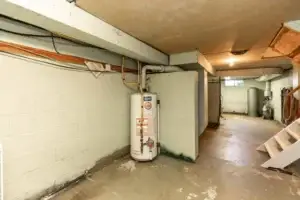
- Water heater — Most last 8–12 years. As yours approaches that range, start budgeting for replacement before it fails rather than after
- Water pressure — High water pressure (above 80 psi) stresses your pipes and fixtures over time. A pressure regulator is an inexpensive fix that protects your whole system
- Refrigerator water lines — These small plastic lines behind your fridge are easy to forget and surprisingly prone to slow leaks
Bathrooms and Kitchens: Where Moisture Lives
These two rooms generate more moisture than anywhere else in your home — and they’re surrounded by materials that don’t love water.
In bathrooms, pay attention to:
- Tile and grout — Cracked or missing grout in shower surrounds is an open invitation for water to get behind the wall. Regrout when you see gaps or discoloration
- Caulk lines — Around tubs, showers, and at the base of toilets. Caulk shrinks and cracks over time; it’s a cheap fix that prevents expensive damage
- Exhaust fans — Your bathroom fan should vent to the exterior, not into the attic. Run it during and for 15–20 minutes after every shower
In kitchens, the dishwasher and refrigerator water lines are the most common culprits. Check connections periodically and don’t ignore the drip pan under your refrigerator.
Your HVAC System and Humidity
This one surprises people. Your heating and cooling system can be a source of water damage if it’s not properly maintained.
Air conditioning and heat pump systems produce condensate — water that drips off the coil during operation. That condensate is supposed to drain away through a condensate line. When that line clogs (and it does clog, usually with algae or debris), water backs up and overflows — sometimes into your ceiling, sometimes into your walls.
Have your HVAC system serviced annually. Ask your technician to check and clear the condensate drain. It’s a small thing that prevents a surprisingly messy problem.
Indoor humidity also matters. In Western Washington, our winters are wet — but our homes can get too dry in summer with AC running, or too humid in winter with inadequate ventilation. Target indoor humidity between 30–50%. A simple hygrometer (under $20 at any hardware store) tells you where you stand.
Early Detection: A Little Technology Goes a Long Way
You don’t need a smart home to catch water problems early. But a few simple tools can give you a significant advantage:
- Water leak detectors — Small, inexpensive sensors you place under sinks, behind appliances, and near your water heater. They alarm when they detect moisture. A $15 sensor can catch a leak before it becomes a $15,000 repair.
- Smart water shutoff valves — These whole-home devices monitor your water flow and can automatically shut off the supply if they detect unusual usage patterns. They’re a bigger investment but worth considering, especially if you travel.
- Know your main shutoff — Every adult in your household should know where the main water shutoff is and how to operate it. In an emergency, every minute counts.
Seasonal Maintenance: A Simple Western Washington Calendar
Here’s a practical rhythm for Pacific Northwest homeowners:
Fall (September–October)
- Clean gutters after leaves drop
- Check roof condition before rainy season
- Inspect crawl space vapor barrier
- Test sump pump if you have one
- Check exterior caulking and weatherstripping
Winter (November–February)
- Monitor for any signs of interior leaks during heavy rain events
- Insulate any pipes in unheated spaces (rare in Western WA, but worth noting)
- Keep an eye on crawl space vents — don’t block them
Spring (March–May)
- Inspect crawl space after wet season
- Check gutters again after spring debris
- Look for any signs of water intrusion in basement or crawl space
- Schedule roof inspection if you haven’t recently
Summer (June–August)
- Great time for exterior repairs and caulking (dry conditions help materials cure properly)
- Check HVAC condensate lines before cooling season
- Inspect irrigation systems for leaks near the foundation
The Bottom Line
Water damage doesn’t have to be inevitable. Most of what I see in homes across Western Washington — the rotted sill plates, the moldy crawl spaces, the damaged subfloors — started as something small that just didn’t get caught in time.
Regular attention, a few good habits, and knowing what to look for puts you way ahead of the problem.
And if you’re buying a home and want to understand exactly what you’re taking on before you close — that’s exactly what a thorough home inspection is for.
Want a professional set of eyes on your home’s water management systems? Jeff Frame at Epilogue Inspections evaluates roofing, crawl spaces, plumbing, drainage, and more — giving you a clear, honest picture of your home’s condition.
📞 Call or text Jeff at 425-312-8976 🌐 Schedule online at epilogueinspections.com
Epilogue Inspections proudly serves homeowners and buyers throughout King, Snohomish, Pierce, Island, Skagit, and Whatcom Counties.